
A Penile Implant is generally considered for men with erectile dysfunction when less invasive treatments have not provided satisfactory results, cannot be used, or are unsuitable for the individual. Because implantation involves surgery, the decision deserves a detailed discussion about expectations, alternatives, device options, and possible complications.
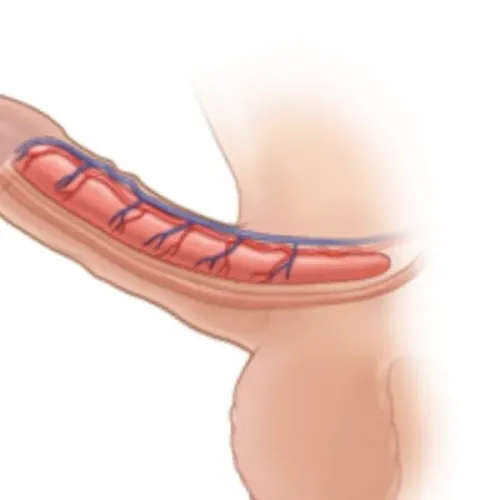
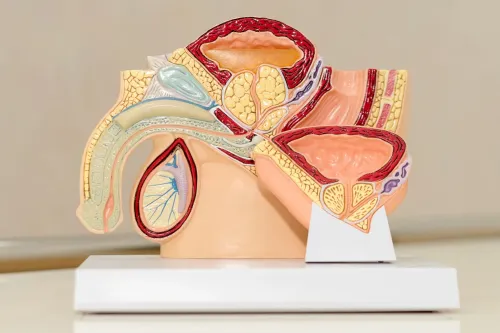
Penile prostheses are devices surgically placed inside the penis to provide rigidity for sexual intercourse. Broadly, devices include malleable and inflatable designs.
A malleable implant consists of bendable rods. It is mechanically simpler and is positioned manually when needed. An inflatable implant uses fluid-filled components that allow the penis to become rigid when the device is activated and return to a softer state afterward.
Neither option is automatically right for every patient.
Factors affecting device selection can include hand dexterity, anatomy, previous operations, medical conditions, patient preference, cost considerations, and the surgeon's assessment.
Before choosing surgery, men should ask several practical questions:
- Have appropriate nonsurgical ED treatments already been considered?
- Which implant type is suitable and why?
- What should be expected regarding penile appearance and length?
- How is the device operated?
- What are the risks of infection or mechanical problems?
- How long does recovery generally take?
- When can sexual activity usually resume?
- What follow-up is required?
- What happens if the device develops a problem later?
Expectations about natural erections also need clarification. A penile implant mechanically creates rigidity; it does not restore the biological erection mechanism. It does not automatically increase sexual desire, and orgasm or ejaculation depends on other aspects of sexual and reproductive function.
As with any operation, penile prosthesis surgery carries risks. These can include infection, bleeding, pain, device malfunction, erosion, or the need for revision surgery. Individual risk varies with medical history and other factors.
Patients considering penile implant surgery in Jaipur, Rajasthan, should therefore select care based on surgical evaluation and transparent counselling rather than promises about guaranteed outcomes.
Jaipur AndroUrology Center can assess men with persistent erectile dysfunction and discuss whether prosthesis surgery is relevant after reviewing previous treatment, medical history, and erectile function.
Preparation may include controlling underlying medical conditions, reviewing medicines, completing investigations, and understanding postoperative instructions.
The most useful sign of readiness is not simply that ED has lasted a long time. It is that the cause has been appropriately evaluated, reasonable alternatives have been discussed, the patient understands the permanent nature and limitations of implantation, and expectations are realistic.
For the right clinical situation, a penile implant can be one treatment pathway among several. Careful selection and informed decision-making are central to determining whether that pathway fits the individual patient.
Keywords